Build the Blade: A No-Nonsense Home Studio Setup for Producers Chasing That Knife Party Energy
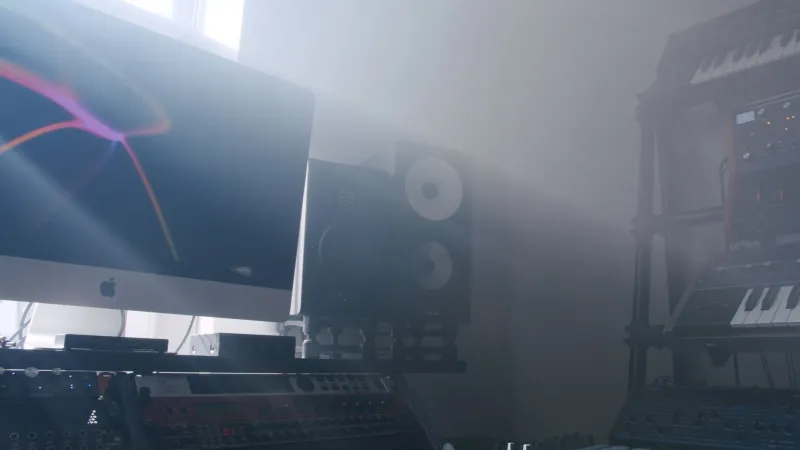
Let's be real — you've heard a Knife Party track, felt something shift in your ribcage, and immediately thought: I want to make something that does that. You're not alone. That reaction has launched a thousand bedroom studio setups across the US, from apartment closets in Brooklyn to spare bedrooms in Phoenix. The good news is that the tools to get you in the right territory are more accessible than ever. The bad news? Gear alone won't get you there. You need to understand the philosophy behind the sound, not just the specs.
This guide is for producers at any level who want to close the gap between where they are and the aggressive, precise, emotionally loaded sound that defines Knife Party's catalog. We're going to break it down into hardware, software, and technique — and we're going to keep it grounded in what's actually achievable on a real budget.
The DAW Decision: Where It All Starts
Before you buy a single piece of hardware, your Digital Audio Workstation is the most important choice you'll make. For the kind of sound design and arrangement that Knife Party productions demand, Ableton Live is the industry-standard recommendation, and for good reason. The session view makes it easy to experiment with arrangement ideas, the built-in audio effects are genuinely powerful, and the workflow suits the kind of iterative, detail-obsessed approach that heavy bass music requires.
Ableton Live Suite runs around $749 full price, but the Standard version at $449 will get you started, and there's a 90-day free trial. If budget is a hard wall right now, FL Studio Producer Edition at $199 is a legitimate alternative with a lifetime free update policy that makes it one of the best values in music software, period.
Whatever you pick, commit to it. The biggest mistake new producers make is DAW-hopping. Learn one tool deeply before you even think about switching.
Monitors and Headphones: Hear What's Actually There
Knife Party's low-end is precise. Not just loud — precise. You cannot make precise low-end decisions if you can't hear what the low end is actually doing. Consumer headphones and laptop speakers will lie to you constantly, and those lies will ruin your mixes.
For studio monitors on a budget, the Yamaha HS5 pair (around $400 total) has been a go-to recommendation for years because of their relatively flat response. They're not glamorous, but they're honest. If you're in a space where monitors aren't practical — apartment living, roommates, whatever — the Beyerdynamic DT 770 Pro headphones at around $150 are a reliable choice for detailed work.
Also worth investing in: acoustic treatment. Even cheap foam panels from Amazon can reduce the room reflections that mess with your perception of reverb and stereo width. It's not sexy, but it matters more than most producers realize.
The Synth Plugins That Get You In the Ballpark
This is where people expect a complicated answer, but the truth is simpler than you'd think. The aggressive, characterful synths in Knife Party productions are built primarily on subtractive synthesis with heavy modulation and distortion. You don't need a rack of hardware to get there.
Xfer Serum ($189 or available on a subscription through Splice) is the single most useful plugin you can own for this style. Its wavetable engine, flexible modulation routing, and built-in effects chain make it capable of recreating the kind of synth textures that define heavy bass music. The built-in distortion and filter options alone are worth the price.
Native Instruments Massive is the other classic option and was the backbone of a huge amount of bass music from that era. It's available as part of the NI Komplete Start bundle for free, which is a genuinely good deal for producers just getting started.
For bass specifically, Vital is a free wavetable synth that punches well above its price point (which is zero). There's a paid tier with more content, but the free version is legitimately powerful.
Processing: Where the Knife Party Precision Actually Lives
Here's the thing a lot of beginner producers miss: the synth patch is only half the story. What makes Knife Party's sound design feel so deliberate and aggressive is the processing chain that follows the raw synth signal. Distortion, saturation, filtering, and sidechain compression aren't afterthoughts — they're instruments.
For distortion and saturation, Decapitator by SoundToys ($199, but frequently on sale for around $49) is a go-to for adding character and aggression to synth sounds without turning them into mush. The free Softube Saturation Knob is a solid starting point if budget is tight.
Sidechain compression is non-negotiable for that pumping, breathing quality that makes bass music feel alive. You can use a standard compressor triggered by a kick drum signal in Ableton, or grab the free LFOTool by Xfer for a more controlled approach to volume modulation.
iZotope Ozone for mastering is worth mentioning here too — the Elements version runs around $49 on sale and gives you a solid starting point for getting your mixes to a competitive loudness level.
The Mindset Is the Most Important Tool
Software and hardware will only take you so far. What separates producers who sound like Knife Party from producers who just have the same plugins is intentionality. Every layer in a Knife Party production earns its place. Nothing sits in the mix without a reason. The restraint before a drop is as deliberate as the chaos during it.
Spend time with the tracks analytically. Use headphones and really listen to what's happening in the high mids during a build. Notice how much space exists in the arrangement right before everything drops. Study the dynamics as seriously as you study the sound design.
The gear opens the door. The discipline is what walks you through it.